





Adapting logistics assets to meet the evolving demands of the modern era
Entry into urban markets, modernizing stock, and focusing on sub-segments where it matters most.
Japan logistics opportunities from modern stock shortfall
Since the introduction of working-hours regulations for truck drivers in April 2024, the logistics sector in Japan is facing a structural shift. Because road freight continues to carry the majority of domestic cargo flows, transportation now accounts for more than half of total logistics cost structures in many networks. The combination of tighter labour supply and rising cost intensifies pressure on legacy logistics locations reliant on long-haul, less efficient routing.
The corollary is that strategically located facilities closer to end-users are increasingly looking cost-effective even if faced with higher rents. In the core Tokyo consumption belt, especially within 60-90 minutes of the metropolitan edge, vacancy rates for modern logistics remain low despite elevated aggregate nationwide vacancy.
Aging stock means that most of Japan’s logistics facilities still fall short of the standards expected by modern occupiers (Chart 1). Many older buildings have low ceiling heights, inefficient loading bays, narrow column spacing, limited ESG performance, and layouts that are not compatible with automation or robotics. This has created a clear divide in the market. Modern, high-spec facilities in prime locations are quickly leased, while older properties face rising vacancy and long-term obsolescence risk.
Chart 1: Japan logistics stock by age (%)
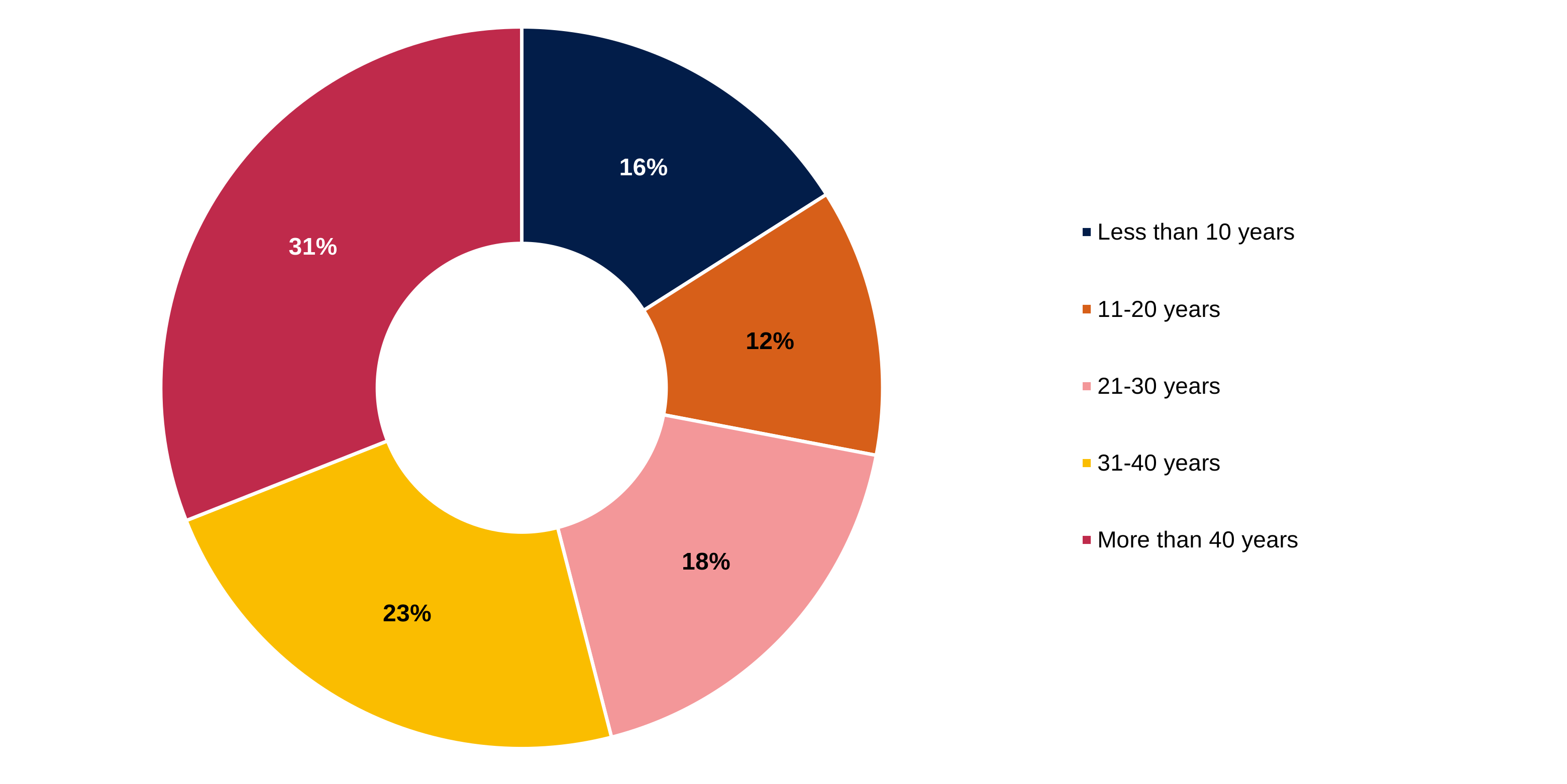
Sources: Property Market Analysis LLP (PMA), (Oct 2023)
For investors, this imbalance presents a strong value-add opportunity. Acquiring older assets in strategic logistics corridors and upgrading them through targeted refurbishment, automation, and sustainability improvements can significantly enhance both rentability and long-term value. By closing the gap between location and quality, investors can align aging assets with the requirements of modern logistics operators.
Cold storage in Australia
Although cold storage underpins food security, pharmaceuticals, and e-commerce, Australia’s per capita capacity remains far below that of its peers. Australia currently has roughly 0.4 cubic metres of refrigerated-warehouse capacity per urban resident, compared with about 0.6 cubic metres in the United States and 0.9 cubic metres in the Netherlands (Chart 2).
Chart 2: Cold storage capacity (Cubic metres per urban resident)
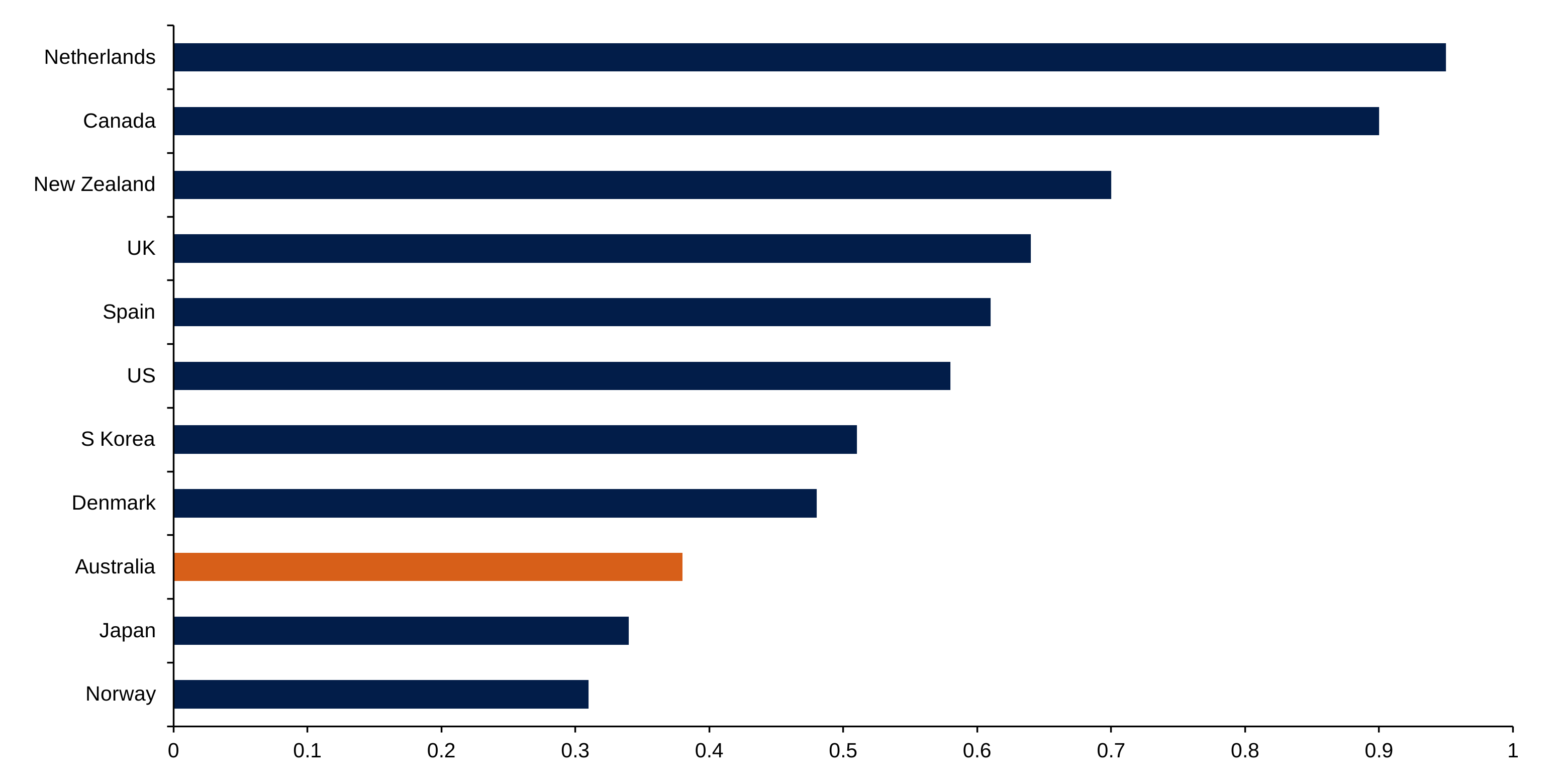
Sources: Savills Research (2025) based on 2020 data (latest available)
The gap between structurally growing demand and constrained temperature-controlled supply points to a distinctive investment opportunity. Expanding demand for biologics and vaccine-supply chains, and greater emphasis on freshness and traceability are forcing logistics networks to upgrade. In Australia, refrigerated and frozen food imports and domestic fresh-food consumption have both risen significantly, driving demand for modern cold-chain real estate. At the same time, much of the existing low-temperature warehouse stock is ageing, under-equipped for automation, and energy-inefficient. This contrast creates a bifurcation in which newer high-specification cold-stores face rapid absorption, while legacy assets struggle for competitiveness.
Cold storage should no longer be treated as a niche sub-segment of industrial real estate. It is an essential platform for demographic growth, supply-chain resilience and climate adaptation. Investment entry points include acquiring well-located but under-spec cold stores and repositioning them with modern systems, or developing high-density, ESG-compliant cold-chain facilities near urban demand hubs.