


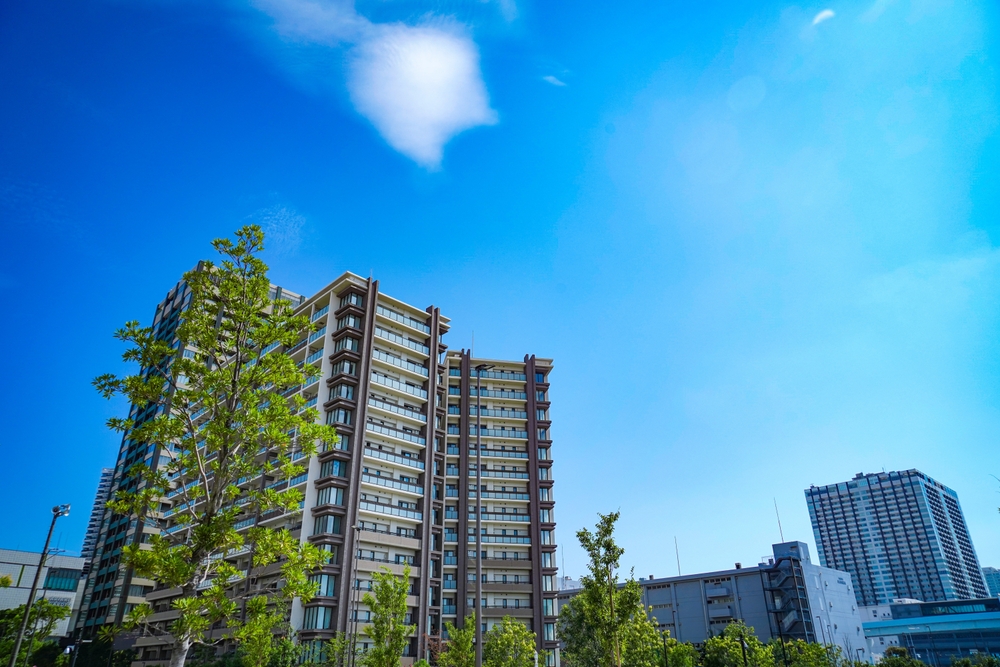

Japan multifamily has been a consensus institutional allocation for the better part of two decades – underpinned by relentless urbanisation, a widening home ownership gap, and rental cash flows that have proven remarkably durable throughout cycles.
But with interest rates rising for the first time in a generation, some global investors are asking the question: does the Japan multifamily thesis still hold?
As we detail in our recent paper – 型と改善: The kata and kaizen of Japan multifamily – we believe it does.
In this Q&A Guy Sainsbury, Head of Investment Operations – Asia Pacific at Savills IM, unpacks why there is opportunity in the market today.
1) Why do institutions like Japan multifamily?
The appeal starts with demographics, specifically urban household formation.
While Japan’s overall population is declining, demand for rental housing in major cities continues to be supported by urbanisation and changing household structures. In Tokyo, we know that one- and two-person households now make up roughly three-quarters of the renter base, while young adults (aged 15 to 29) represent nearly 80% of net in-migration into the city. These younger cohorts have a far higher propensity to rent than to own.
At the same time, home ownership is structurally being pushed further out in time. Condominium prices have significantly outpaced wage growth over the past decade, pushing households toward renting for longer.
On the other side of the coin, supply can’t easily respond: construction costs are up more than 30% since 2020 amid persistent labour shortages, which has generally kept occupancy strong across major markets.
Together, these structural demand and supply dynamics support a residential sector defined by relatively stable cash flows, low income volatility and resilience across market cycles. And is increasingly supported by the strongest sustained wage growth Japan has seen in decades, providing an additional tailwind for rental growth.
2) Which markets do you see as the best opportunity within Japan?
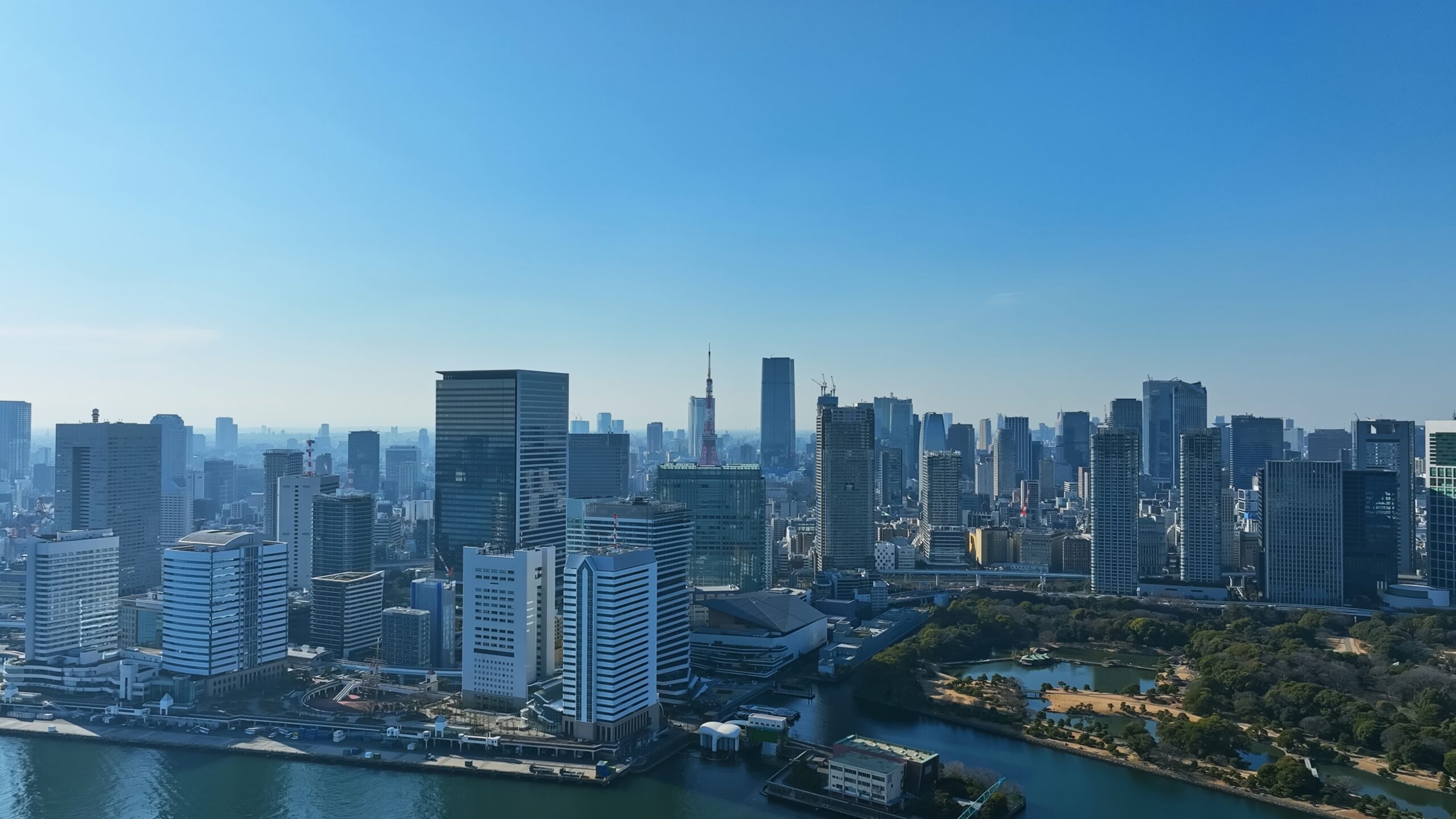
Greater Tokyo remains our preferred allocation.
It represents one of the world’s largest and most mature multifamily markets, with a deep institutional buyer pool, supported by domestic insurers, pension funds, regional banks, listed REITs, private funds and cross-border capital. This creates a highly liquid investment market across a wide range of lot sizes and asset profiles.
Outside Tokyo, Osaka is a credible secondary allocation.
Kansai, as Japan’s second-largest economic region, should provide structural support for housing demand over the medium term.
Fukuoka is also worth watching. It stands out for its relatively young and growing population, as well as a vibrant startup and tech ecosystem that is developing in Kyushu. Fukuoka plays a key role as a hub for the island. However, the market remains comparatively small and less liquid than Tokyo or Osaka.
One other point to raise here is that asset selection across all markets is crucial – not all Japan multifamily assets carry equivalent risk profiles. Multifamily assets situated near major transport nodes, such as primary subway stations and transit-oriented development corridors, consistently demonstrate superior occupancy stability, lower tenant turnover, and stronger capital value performance across cycles.
3) Compare the Japanese multifamily sector to markets in Europe. Where do you see similarities or differences?
There is a lot of talk in the European market around affordability. We’ve seen some reports now putting rental levels around 35% of income in major European cities.
In Japan, by contrast, tenants have historically had to allocate less than 25% of household income to rent. Rents have room to rise as wages improve and labour markets tighten, creating a more sustainable pathway for rent reversion – particularly in well-located, mid-market assets where tenant demand is deep, units remain affordable and passing rents often lag market levels.
Where the two markets diverge is in how that reversion is actually captured. Japanese renters are much less used to fixed-term leases than renters in Europe. The traditional lease structure in Japan – the futsu chinshaku1 – gives tenants strong legal protections both in terms of lease renewal and rental increases.
This means meaningful reversion is realised when units turn over and can be re-let at the market rate. Capturing that consistently, and at portfolio scale, requires active rent benchmarking, tenant-level analysis and a comprehensive renewal strategy – a genuine operational capability.
For investors with new-build exposure or forward commitments on development pipelines, there is a further opportunity – building a portfolio of fixed-term leases from the outset. The main challenge here is tenant acceptance. Fixed-term leases are less familiar to Japanese renters and carry a perception of less security, so they typically require some pricing concession or amenity premium to attract occupiers on equivalent terms. But in a rising rent environment, that trade-off can be increasingly worth making.
4) What other challenges should investors be wary of in the Japanese multifamily market?
The biggest challenge is rising interest rates and, in turn, the importance of underwriting.
As financing costs rise and exit cap rates edge upward, the starting yield matters more and the margin for overpaying is thinner. As a quick example, an asset acquired at a 3.3% going-in cap rate in 2023 faces a materially different return profile today than one acquired at 3.8% in 2019. Underwriting is the first act of value creation.
Rigorous underwriting in this environment means stress-testing assumptions that the market has treated as constants. Exit cap rates deserve more sensitivity analysis, which have for years assumed either stability or modest compression. We are in an unprecedented vintage in which exit cap rates may be higher than entry cap rates for the first time in a generation. At the same time, we are seeing rental growth that is expected to continue. Financing assumptions also need to reflect the realistic cost of capital at exit and on refinancing.
1-Predominant lease structure in Japan’s private rental market, under which leases typically run for two years and renew automatically, with tenants afforded strong statutory protections under Japan’s Land and Building Lease Act – including the right to contest rent increases at renewal.