






Still an Essential Strategy for Generating value
Embedding ESG and sustainability into every stage of the investment lifecycle is a strategic imperative for risk mitigation and value creation across managed portfolios. Forward thinking investment managers have proven time and again that strategic integration and practical interventions have potential to deliver benefits to tenants and adding value for investors.
An increasing regulatory push also means that some investors risk being left with assets that can’t be let and become obsolete. In Australia for example, a NABERS energy rating must be presented on leasing most large office spaces, which could deter potential occupiers if the rating doesn’t meet the market standard. While in Europe, we have France’s Décret Tertiaire requiring annual energy reporting for certain buildings. Failing to act therefore leaves assets exposed to regulatory tightening, as well as sustainabilityrelated operational costs such as rising energy prices, which can erode rental income and long-term value. Getting on the front foot and being proactive is essential.
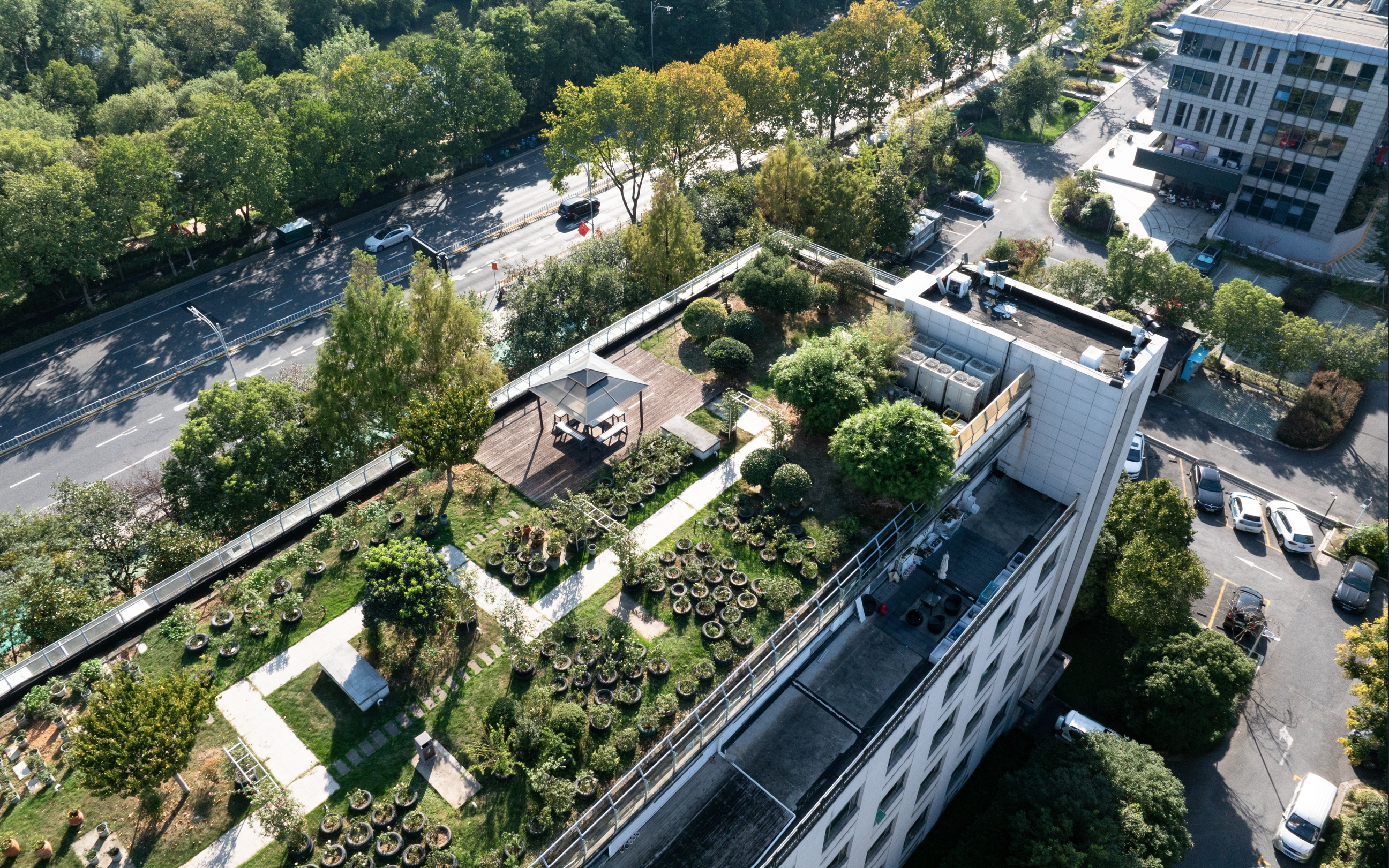
Away from regulation, investors face increasing reputational and operational risks and therefore should pay attention to tenants’ rising demand for sustainable spaces. During the asset’s lifecycle, refurbishments present prime opportunities for retrofits that enhance energy performance and tenant wellbeing. For investors, these upgrades support longterm tenant retention by reducing operating costs and improving the quality of the space, which are critical factors in competitive leasing markets. Proactive retrofitting not only mitigates these risks but positions assets to support net zero commitments and capture demand from sustainability-conscious occupiers.
To take a couple of examples. For commercial assets, quick-win energy savings should remain a focus, supported by recent advancements in AI-driven efficiencies. There are many solutions that harness cloud-based optimisation for HVAC systems, for instance, sending the building management system optimal setpoints in real time to increase energy efficiency. These proven technologies are also often available at low to no capex, through models where the service providers recover their investment from shared energy savings over an agreed term. Adopting such lowcapex, performance-driven solutions accelerates progress towards net zero goals for landlord and tenant, while delivering immediate operational savings.
As heatwaves become more frequent, reviewing climate risk and energy security in the residential sector is critical during acquisition due diligence, as it directly influences long-term asset resilience and tenant retention; maintaining low utility bills is especially important for those seeking affordable accommodation. Incorporating design features such as natural ventilation with heat recovery can significantly enhance thermal comfort and indoor air quality while minimising reliance on mechanical cooling.
These efforts are not just about compliance; they future-proof assets, enhancing the resilience of portfolios. They also ensure that sustainability and financial performance progress hand in hand, while aligning with social need and tenant demand. For investors who are proactive and embed ESG and sustainability into every decision, responsible investment is proven to be a smart strategy for generating enduring value and asset performance.